


You are still essential.
Teaching in an AI world, without losing what’s essential.
Still Essential™ offers short videos and free resources to help you revise your assignments thoughtfully, so students show their own thinking and you keep the judgment and expertise that make you essential.
DEAR LESLIE · EPISODE 1
Those four probably came from AI. The other twenty-six read just as smoothly, and I honestly can’t tell how much of the thinking behind them is theirs.
How do I revise this assignment so every student’s real story is the one they want to tell, and I can see the thinking that got them there?

Dr. Erick Du Bois
Sociology, Rivermark University
The StillEssentialU approach
Redesign the work so student thinking shows.
Short videos built to fit a faculty schedule: practical ideas, a few minutes at a time.
Make thinking visible
Research-supported changes to assignments and rubrics that encourage students to show their reasoning, even when AI is part of their process.
Try this
Every video offers specific strategies to try, many of them ready for your next class.
Your judgment leads
You know your students and your discipline best, and your judgment belongs at the center of teaching.
StillEssentialU on YouTube
Start with these videos.
Made for college faculty and K–12 educators, and useful for anyone who teaches. Free resources are linked in each video’s description.
Weekly Reflections, Redesigned

EPISODE 1 · INTRO SOC
AI-Resistant Weekly Reflection: Intro Soc

EPISODE 2 · INTRO PSYCH
AI-Resistant Weekly Reflection: Intro Psych

EPISODE 3 · INTRO BIO
AI-Resistant Weekly Reflection: Intro Bio
Quick Takes: Teaching in an AI World
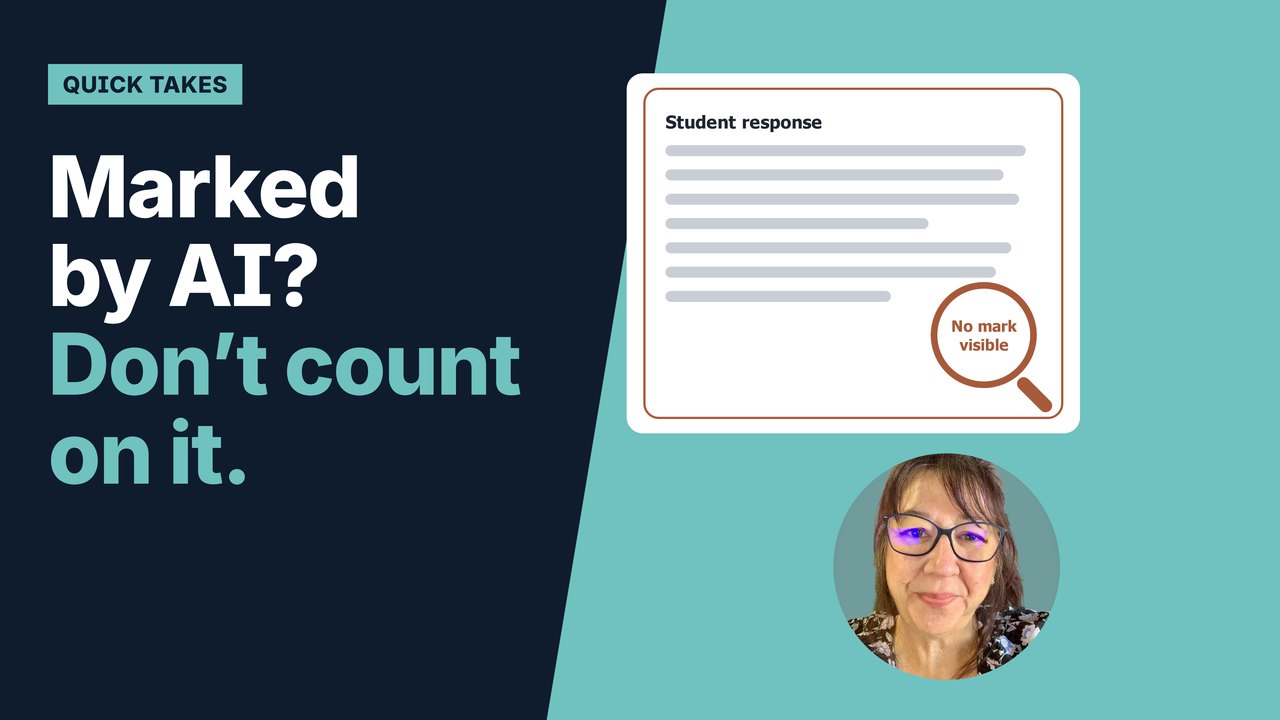
QUICK TAKE 1
“Generated by AI” Marks: What Should Faculty Know?
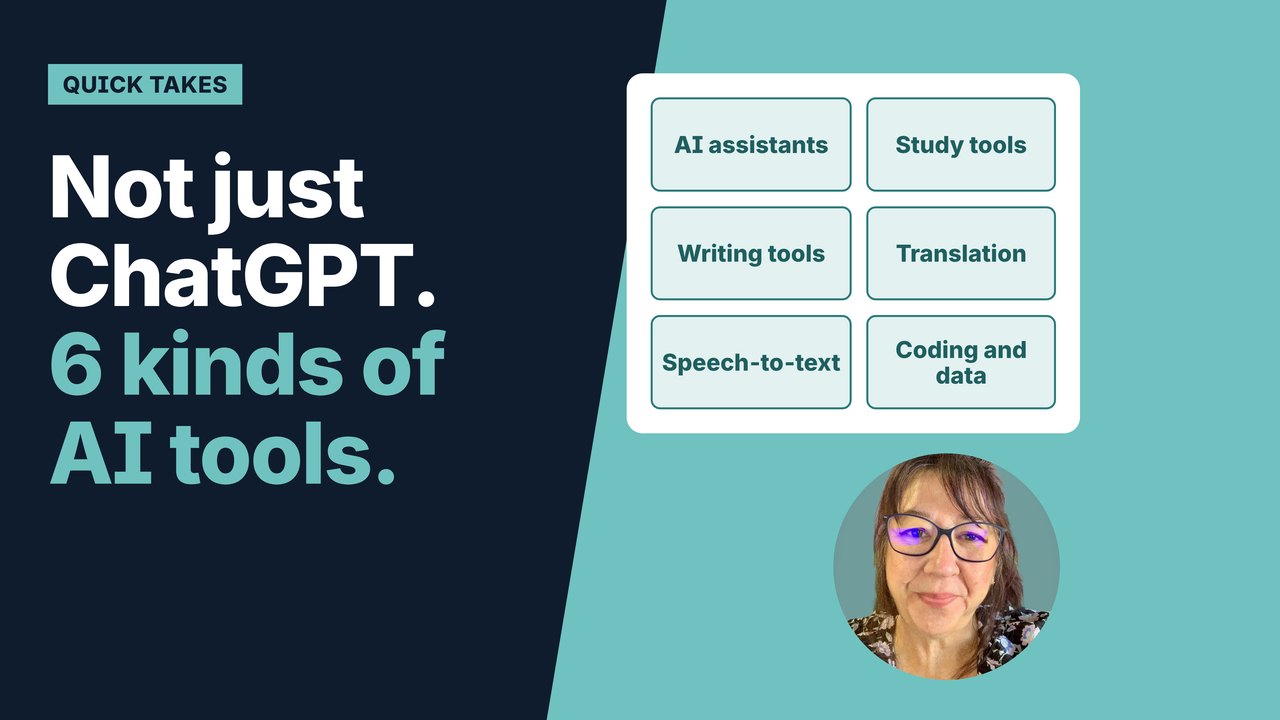
QUICK TAKE 2
AI Tools in Education: What Are Students Using?
Playlists
- Weekly Reflections, Redesigned
- Quick Takes: Teaching in an AI World
New videos and more assignment types are on the way.
Free resources
Take these into your next course.
Ready-to-use guides (PDF) and Word templates you can edit for your own courses, students and discipline. Free for individual educators to use and adapt in their own classes. For campus, school, or district-wide use, or a version customized for your institution, let’s talk.
WORD · EPISODE 1
Sociology Reflection Rubrics, Before and After
The original and revised Intro Sociology rubrics from Episode 1, with and without the privacy line.
WORD · EPISODE 2
Psychology Reflection Rubrics, Before and After
The original and revised Intro Psych rubrics from Episode 2, with a page on what changed and why.
WORD · EPISODE 3
Biology Reflection Rubrics, Before and After
The original and revised Intro Bio rubrics from Episode 3, with a page on what changed and why.
Metacognition Fact Sheet
What metacognition is, what research says AI does to it, and before, during and after strategies to try in class.
PDF · QUICK TAKE 1
AI Marks Faculty Brief
What AI labels and watermarks are, how they work, and what faculty can and can’t see.
PDF · QUICK TAKE 2
AI Tools in Education Faculty Brief
How US college students use AI, the main types of AI tools, two terms worth knowing, and where AI may show up on your campus.

About
Hi, I’m Leslie.
I’ve worked in education for more than 20 years: 18 in higher education as an instructional designer and professional development program manager, and five in K–8 schools in instructional and support roles. Much of that work has focused on technology in teaching, from designing online courses to helping faculty adopt new tools in ways that keep the focus on learning, not on the tool. I also hold a graduate professional certificate in Information Accessibility Design and Policy from the University of Illinois Urbana-Champaign, so accessibility is part of every redesign I recommend.
Over the last few years, I’ve watched faculty and academic administrators work earnestly to navigate teaching in the age of AI, always with a deep commitment to student success. Many campuses use AI detectors to help protect academic integrity, and those tools have a place. Assignment redesign adds what a detector can’t: a clearer view of students’ original thinking.
I’ve gathered strategies that work, and I started Still Essential to share them. Most are small revisions you can make quickly, then adapt to your own course, students and discipline.
See specific examples on the StillEssentialU YouTube channel, or bring the work to your campus or district through a partnership with me.
What colleagues say
Working with Leslie.
“
It’s rare that I work with somebody who is as knowledgeable and compassionate as Leslie. She is my go-to person for trusted instructional design advice and e-learning guidance.
Deanne Pawlisch
Department Chair and Assistant Professor, Aurora University
“
Leslie’s advice and strategic thinking helped us double the in-person attendance of Association for Talent Development Chicagoland workshops.
Ana Widmer
Sr. Specialist, Talent Development & Talent Management, KeHE Distributors
“
I gave the same project to four people over ten years but only Leslie turned my request into reality. With close listening, careful work, and much-welcomed positivity, she brought to life a practical guide to leveling up your career by leveling up your skills.
Brett Coryell
Engagement Executive, Elementum AI, and former CIO, Northern Illinois University
Partnerships
Take Still Essential further on your campus or in your district.
The videos offer practical strategies a few minutes at a time. A partnership brings the same approach to your faculty and courses: one package, shaped to your campus or district, typically over six weeks to three months, with planning, hands-on workshops (virtual or on-site) and follow-through.
HOW A PARTNERSHIP WORKS
1
Plan
A needs analysis and pre-meetings to learn your courses, goals and current AI policies.
2
Customize
Examples built from your own assignments, plus StillEssentialU resources co-branded for your campus or district.
3
Workshop
Hands-on sessions where faculty revise their own work.
4
Evaluate
A look at what changed and what faculty and students noticed.
5
Next steps
A plan for sustaining and expanding the work.
WHAT A PARTNERSHIP CAN INCLUDE
Assignment and rubric redesign
Faculty revise real assignments, rubrics and reflection prompts so student thinking stays visible.
AI policy and syllabus language
Clear course and program AI statements that students understand and faculty can stand behind.
Course team support
Shared revisions for multi-section courses, so every section benefits from the same redesign.
How students use AI
A practical look at how students are likely using AI in your courses and what that means for your assignments, with curated resources for faculty who want deeper training on specific tools.
Resources customized for your campus or district
Versions of StillEssentialU tools, such as the rubrics, syllabus statement and fact sheet, tailored to your courses, policies and outcomes and co-branded for your faculty.
Contact
Let’s talk.
Tell me about your campus, district, or course, and I’ll reply within three business days.
Email: leslie@stillessential.com
Write to Dear Leslie
Have a teaching dilemma about AI? Choose “Dear Leslie letter” in the form, or write to leslie@stillessential.com. Your question could shape a future episode. Names and identifying details are always changed.